

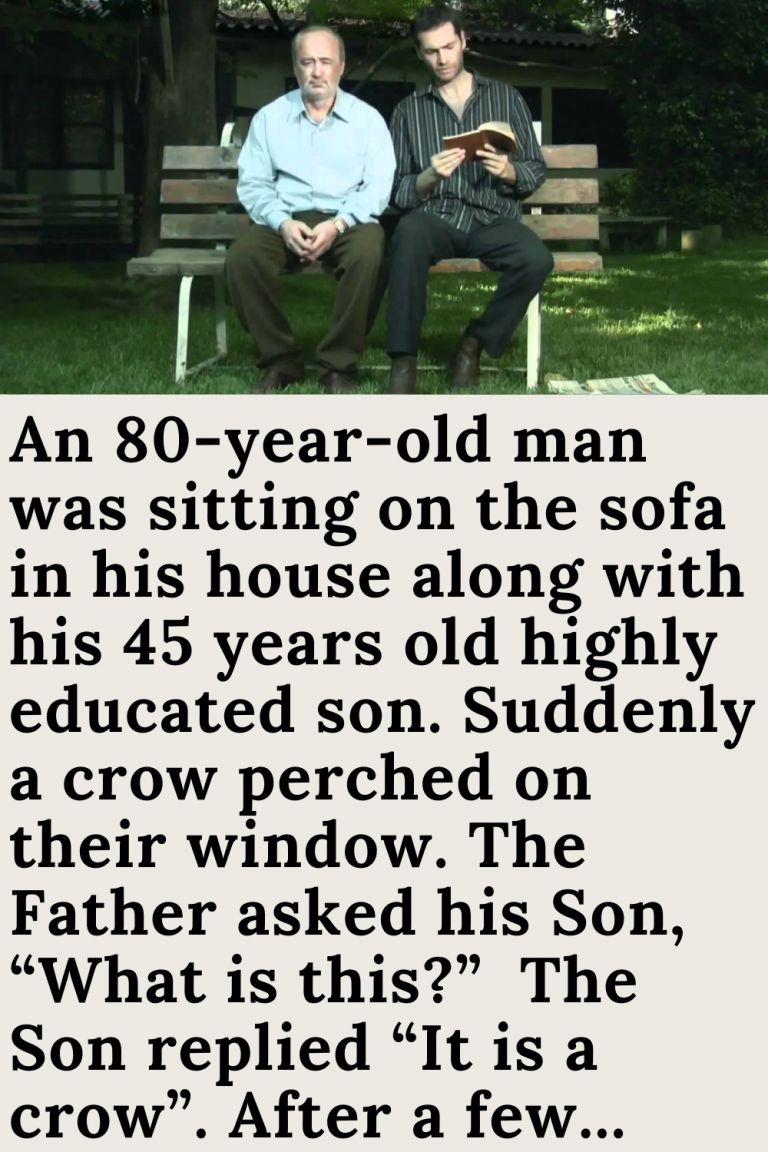
In our fast-paced modern world, it is easy to lose patience with aging parents when they repeat questions or require extra care. However, a famous short story titled “What Is This?” (originally captured in a viral short film by Constantin Pilavios) offers a profound lesson in empathy, unconditional love, and intergenerational gratitude.
The story follows an 80-year-old father sitting with his highly educated 45-year-old son when a simple interaction with a bird on a window frame reveals a deep life truth. In this article, we explore the full narrative, its thematic breakdown, and the lasting lessons it offers for families everywhere.
Story Overview and Plot Summary
The narrative contrasts a son’s growing annoyance in the present with his father’s unwavering patience in the past.
+--------------------------------------------------------+
|               The Story of the Father & Son            |
+---------------------------+----------------------------+
                            |
                            v
+--------------------------------------------------------+
|  Present Day Interaction  |  Past Diary Memory         |
|  - Father asks 4 times    |  - Son asked 23 times      |
|  - Son gets angry/yells   |  - Father hugged him each  |
|                           |    time with love          |
+--------------------------------------------------------+
The Present-Day Incident
An 80-year-old father and his 45-year-old son were sitting together on a bench. Suddenly, a crow landed nearby.
- The father asked, “What is this?” The son answered, “It is a crow.”
- A few moments later, the father asked a second time, “What is this?” The son, slightly annoyed, replied again, “It is a crow!”
- When the father asked a third time, “What is this?” the son snapped in frustration: “I told you twice already! It is a crow! Why can’t you understand?”
- The father asked a fourth time. The son lost his temper completely and shouted at his elderly father for asking the same simple question repeatedly.
The Old Diary Reveal
Without getting angry, the old man quietly went inside the house and fetched a worn old diary that he had kept since his son was a toddler. He asked his son to read a specific page aloud:
“Today, my three-year-old son was sitting with me in the park when a crow landed in front of us. My son asked me 23 times, ‘What is this?’ and 23 times I answered him that it was a crow. I hugged him affectionately every single time he asked, without feeling an ounce of irritation, feeling only pure love for my innocent child.”
Upon reading his father’s words, the son broke down in tears, hugged his father tight, and begged for forgiveness.
Comparing the Two Reactions
The beauty of the story lies in the contrast between parental love during childhood and filial patience during adulthood:
| Scene Parameter | The 3-Year-Old Son (Past) | The 45-Year-Old Son (Present) |
| Times Question Asked | Asked 23 times in a row | Asked 4 times in a row |
| Parent’s Reaction | Answered 23 times with smiles and hugs | Responded with growing anger and raised voice |
| Emotion Displayed | Pure curiosity and affection | Irritation, impatience, and frustration |
| Core Dynamic | Loving nurturing of a child | Forgetting the sacrifices of aging parents |
Family Harmony, Emotional Health, and Lifetime Gratitude
Reflecting on family relationships and caregiving reminds us of the importance of emotional intelligence and compassion in home life.
Nurturing strong family ties and treating aging parents with respect promotes psychological stability and overall emotional health. In professional life, cultivating deep patience and empathy enhances leadership skills in business, fostering better communication and collaboration. Building a supportive household foundation helps ensure a harmonious family environment that enriches life through every stage, including retirement.
Key Takeaways from the Story
- Patience Is an Act of Love: Parents spend years patiently guiding children through basic life lessons; children owe them that same gentle care in their elderly years.
- Perspective Over Frustration: Before reacting with annoyance to an elderly relative, remember the countless sacrifices they made during your upbringing.
- Cherish Every Moment: Time spent with aging parents is limited. Replacing irritation with empathy builds memories rooted in gratitude rather than regret.
Conclusion
The story of the father and the crow is a powerful reminder that education and career success mean very little without compassion, empathy, and gratitude for those who raised us.
How did this story make you feel? Share this touching story with your loved ones to spread a message of patience and family love!
FAQ Section
What is the main message of the father and the crow story?
The story teaches the importance of patience, unconditional love, and showing deep gratitude toward aging parents who gave us endless care during our childhood.
Who created the original visual story of the father and the crow?
The story was famously adapted into an award-winning Greek short film titled “What Is That?” (Ti Einai Auto?), directed by Constantin Pilavios in 2007.
Why do people get impatient with aging parents?
Adult children often get caught up in busy schedules and stress, forgetting that aging brings cognitive decline that requires the same gentle patience parents showed them when they were young.