

When shopping for insurance policies, it pays to evaluate options that offer 24/7 roadside assistance, towing coverage, and rental car reimbursement. Choosing a policy with adequate coverage ensures that professional towing operators—who are fully trained in utilizing proper tow hook points—handle your vehicle safely without triggering claims for accidental damage caused by improper recovery procedures.
Furthermore,
keeping track of your policy deductible, collision coverage, and comprehensive options allows you to make informed decisions when unexpected vehicle emergencies happen on highway trips.
Step-by-Step: How to Access and Use Your Tow Hook Safely
If you find yourself stuck in a ditch or experiencing an engine breakdown, knowing how to properly deploy the hidden tow eye system will save precious time and reduce stress.
Step 1: Locate the Tow Hook Tool
Before touching the bumper, locate the eyelet bolt itself. Open your vehicle’s trunk or cargo area, lift the
floor panel, and check the spare tire compartment. Inside the foam tool organizer alongside the jack, lug wrench, and tire iron, you will find a thick steel bolt featuring a threaded shaft on one end and a large circular loop on the other.
Step 2: Carefully Remove the Bumper Cap
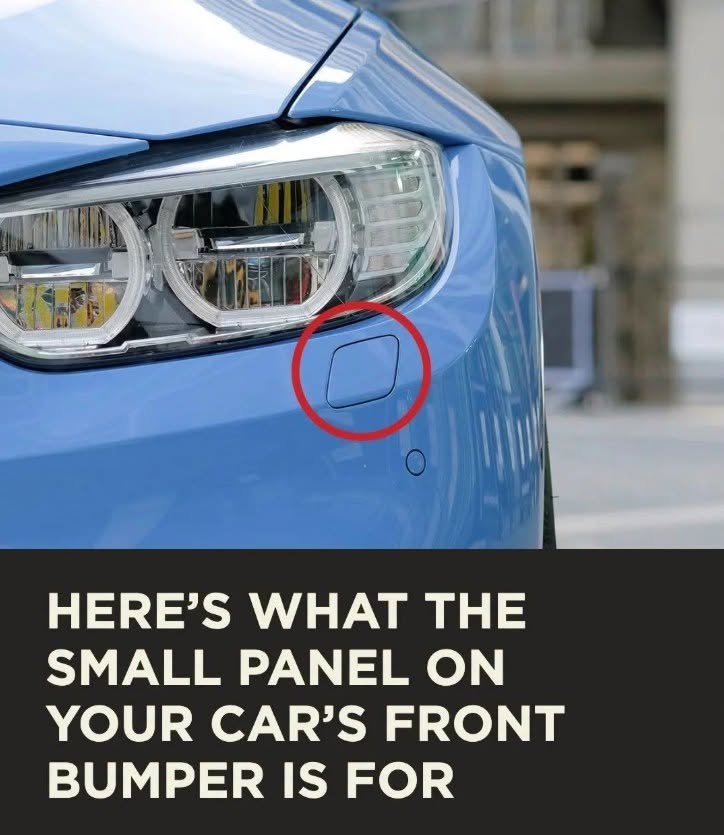
Inspect the small plastic cover on your bumper. Most covers have a subtle notch along the edge or a small pressure point stamped into one corner.
Manual Pressure: On many modern vehicles, simply pressing firmly on one corner of the
cap will cause the opposite side to pivot outward.
Prying Gently: If manual pressure does not open it, use a flathead screwdriver wrapped in a micro fiber cloth or a plastic trim removal tool to gently pry the cap free. Never use unshielded metal tools directly against the paint, as this can chip the clear coat and lead to rust issues.
Keep It Tethered: Most tow eye covers feature a small plastic retaining lanyard on the back so the cap hangs freely without getting lost. Do not yank or snap
this leash.
Step 3: Thread the Tow Eye Bolt
Insert the long threaded rod into the exposed hole until it meets the internal frame socket. Rotate the bolt clockwise by hand until the threads catch smoothly. Once hand-tightened, insert your lug wrench through the circular loop to leverage and firmly torque the bolt until it is completely seated against the frame.
Important Safety Note: Threading must be done carefully to avoid cross-threading. If you meet heavy resistance immediately, unscrew the bolt and re-align it straight into the socket.
Front vs.Rear Tow Hook Points: What Is the Difference?
Many vehicle owners are surprised to learn that their cars often have two small hidden panels—one on the front bumper and another on the rear bumper cover.
Feature Front Tow Eye Location Rear Tow Eye Location
Primary Purpose Pulling the vehicle forward onto a flatbed tow truck or out of front-facing obstacles. Pulling the vehicle backward out of mud, snowbanks, or tight parking spaces.
Location Integrated into the front bumper plastic near a headlight or fog light. Embedded near the rear bumper
reflector, exhaust cutout, or lower valance.
Structural Anchor Connected directly to the main front unibody frame rail. Welded to the rear crash bar or subframe assembly.
Usage Precaution Ideal for pulling straight ahead. Avoid extreme side angles. Recommended for recovery only; not designed for long-distance highway towing.