

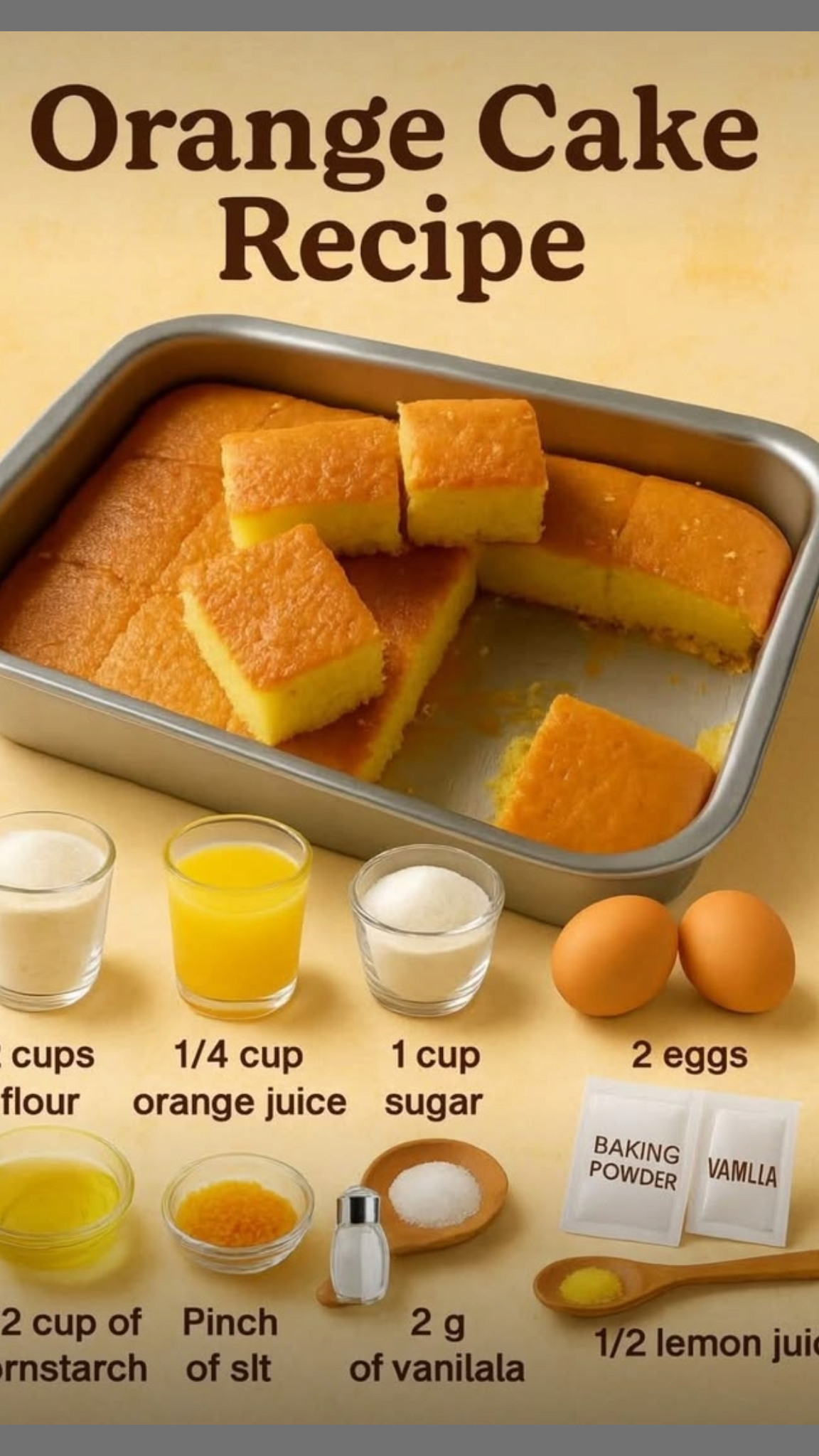
There is nothing quite like the bright, fragrant aroma of fresh citrus baking in the oven. A classic orange cake is a timeless dessert favorite, combining a tender, airy crumb with the vibrant, natural sweetness of real orange juice and zest. Whether served alongside your morning cup of coffee, presented as an afternoon tea treat, or served as a light dessert after dinner, this effortless cake recipe brings sunshine to any table.
Many home bakers assume that achieving a light, melt-in-your-mouth cake texture requires complex culinary techniques or hard-to-find ingredients. In reality, master bakers rely on simple ratios, proper ingredient ordering, and smart structural balance using pantry staples like cornstarch and fresh citrus juice. Let us examine how to bake the ultimate moist orange cake step-by-step, explore the science of crumb structure, and share practical baking tips for foolproof success every time.
The Recipe: Ingredients & Precise Measurements
This straightforward recipe balances rich flavor with a delicate, moist texture. Here is everything you need to prepare your batter:
Core Dry & Wet Ingredients
- 2 cups all-purpose flour (sifted)
- 1/2 cup cornstarch (for a silky, tender crumb)
- 1 cup granulated white sugar
- 1/4 cup freshly squeezed orange juice
- 1/2 cup vegetable oil (or neutral baking oil)
- 2 large eggs (at room temperature)
- 1 packet (approx. 2 tsp) baking powder
- 2 g vanilla extract (or 1 tsp vanilla powder)
- 1/2 tbsp fresh lemon juice (or juice of 1/2 lemon)
- Pinch of fine salt
- Fresh orange zest (optional, for heightened aroma)
The Science of a Tender Citrus Crumb
To bake a cake that stays soft for days without drying out, understanding the function of key ingredients makes all the difference.
+--------------------------------------------------------+
|   Whisk Eggs, Sugar, Vanilla & Oil Until Light/Foamy   |
+---------------------------+----------------------------+
                            |
                            v
+--------------------------------------------------------+
|      Fold In Fresh Orange Juice & Lemon Juice          |
+---------------------------+----------------------------+
                            |
                            v
+--------------------------------------------------------+
| Sift Flour, Cornstarch, Baking Powder & Salt Together  |
+---------------------------+----------------------------+
                            |
                            v
+--------------------------------------------------------+
| Gently Combine Wet & Dry Ingredients; Bake at 350°F    |
+--------------------------------------------------------+
The Role of Cornstarch
Replacing a portion of standard all-purpose flour with cornstarch weakens gluten formation. Gluten develops when wheat flour proteins combine with liquids and are agitated. By adding 1/2 cup of cornstarch, you soften the protein structure, producing an extraordinarily delicate, sponge-like cake texture.
Emulsification with Neutral Oil
While butter adds rich flavor, baking oil remains liquid at room temperature. Using vegetable oil traps moisture inside the cake structure far more effectively than butter alone, ensuring your orange cake stays moist and soft for up to four days.
Baking Process Comparison
Choosing the right technique for combining your ingredients ensures your cake rises evenly without sinking in the center.
| Method | Texture Result | Best Suited For | Key Baking Tip |
| Cornstarch & Oil Blend (This Recipe) | Exceptionally soft, moist, springy crumb | Everyday tea cakes, traybakes, sheet cakes | Do not overmix after adding dry ingredients to prevent toughness. |
| Traditional All-Butter Creaming | Rich, dense, buttery pound cake texture | Heavy bundt cakes, layered celebration cakes | Ensure butter and eggs are at room temperature before creaming. |
| Whisked Sponge (Egg-Heavy) | Ultra-light, airy, delicate structure | Rolled cakes, jelly rolls, trifle bases | Requires gentle folding to preserve whipped air bubbles. |
Step-by-Step Baking Instructions
- Preheat & Prepare: Preheat your oven to 350°F (175°C). Grease a 9×13-inch baking pan (or standard cake pan) with a light coating of oil and a dusting of flour.
- Whip Wet Ingredients: In a large mixing bowl, beat the 2 eggs, 1 cup of sugar, and 2 g of vanilla together using a hand mixer or whisk for 2–3 minutes until the mixture turns pale and fluffy. Slowly pour in the 1/2 cup of oil while continuing to mix.
- Add Citrus: Stir in the 1/4 cup of fresh orange juice and 1/2 tbsp of fresh lemon juice. The subtle acidity activates the leavening agents and brightens the citrus notes.
- Sift and Fold Dry Ingredients: In a separate bowl, sift together the 2 cups of flour, 1/2 cup of cornstarch, baking powder, and a pinch of salt. Gradually fold the dry ingredients into the wet mixture using a spatula just until combined.
- Bake to Gold: Pour the batter evenly into your prepared pan. Bake for 25 to 30 minutes, or until a toothpick inserted into the center comes out clean and the top turns a light golden yellow.
- Cool and Serve: Allow the cake to cool in the pan for 15 minutes before slicing into neat square portions.
Practical Tips for the Best Orange Cake
- Zest First, Juice Second: Always grate fresh orange peel (zest) before squeezing the juice. The natural essential oils in the outer orange peel contain the strongest citrus aroma.
- Sift Your Dry Ingredients: Sifting flour and cornstarch breaks up clumps and incorporates air into the dry mix, guaranteeing a lighter, cake-house style crumb.
- Keep Ingredients at Room Temperature: Cold eggs straight from the refrigerator can cause oil mixtures to separate. Set your eggs on the counter 30 minutes before baking.
Fascinating Baking Facts About Citrus and Cakes
- The Power of Acidic Juices: Adding a splash of lemon juice to orange-flavored batter enhances the human tongue’s perception of sweetness and fruitiness without needing extra sugar.
- The History of Citrus Cakes: Citrus fruits were historically considered luxury items in European baking, and sweet orange cakes became popular centerpieces during Mediterranean winter harvest festivals in the 18th century.
- Why Cornstarch Works Magic: Cornstarch is pure starch extracted from corn kernels and is 100% gluten-free, making it the ultimate tool for softening heavy flour blends in home baking.
Conclusion
Baking a bakery-quality orange cake at home does not require complicated equipment or rare ingredients. By combining fresh orange juice with a smart blend of flour, cornstarch, and oil, you can whip up a soft, fragrant, and wonderfully moist citrus treat in under an hour.
Give this easy recipe a try today, share a square with family and friends, and enjoy the comforting delight of fresh homemade baking!
FAQ Section
Can I substitute fresh orange juice with store-bought juice?
Yes, store-bought orange juice works fine, but freshly squeezed orange juice offers a brighter, more vibrant natural flavor without added sugars or preservatives.
How do I store leftover orange cake to keep it moist?
Store the cooled cake slices in an airtight container at room temperature for up to 3 to 4 days. You can also freeze individual wrapped slices for up to 2 months.
Can I make an orange glaze for the top?
Absolutedly! Mix 1 cup of powdered sugar with 2 tablespoons of fresh orange juice until smooth, then drizzle it over the cooled cake before serving for an extra layer of citrus sweetness.