

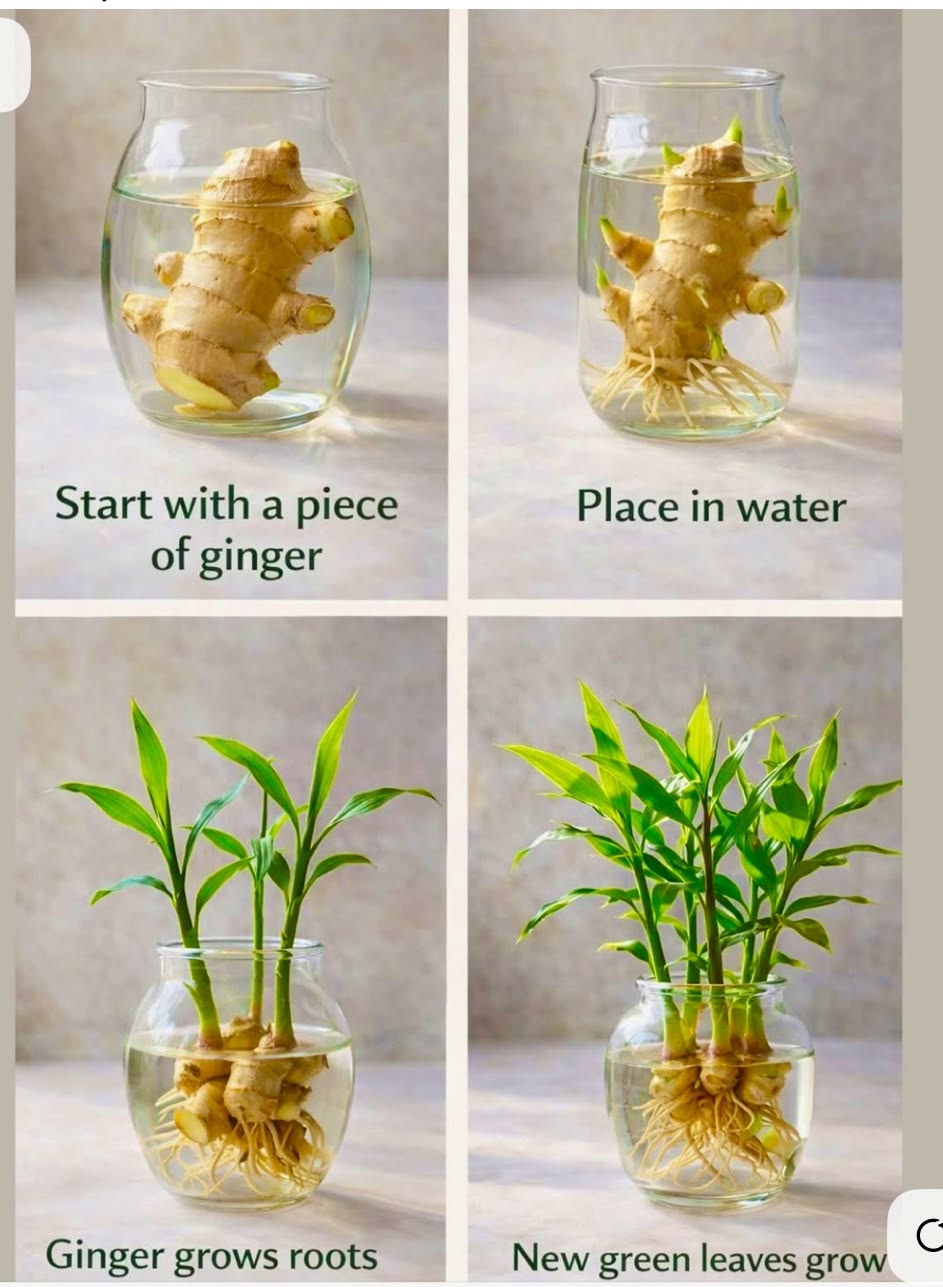
Growing your own fresh spices and herbs at home is one of the most rewarding ways to connect with nature while ensuring a steady supply of flavorful, organic ingredients. Ginger (Zingiber officinale) is a tropical perennial plant prized across the globe for its aromatic, zesty root and impressive health benefits. While ginger is traditionally cultivated in soil beds, starting and sprouting ginger rhizomes in water is a fun, clean, and accessible method for indoor gardeners and beginners alike.
Propagating ginger in water allows you to observe root development and green shoots sprouting in real time on a sunny windowsill. In this comprehensive guide, we will break down the process of starting ginger in water, explore the botanical science behind rhizome sprouting, look at the transition from water to soil, and examine how urban gardening promotes daily well-being.
The Step-by-Step Process of Sprouting Ginger in Water
Regrowing ginger from store-bought or organic rhizomes requires minimal equipment and just a few simple steps.
+--------------------------------------------------------+
|          Select a Plump Ginger Rhizome with "Eyes"     |
+---------------------------+----------------------------+
                            |
                            v
+--------------------------------------------------------+
|   Pre-Soak in Water & Suspend Partially in Clean Water |
+---------------------------+----------------------------+
                            |
                            v
+--------------------------------------------------------+
|   Root System & Green Stems Sprout (Indirect Sunlight) |
+---------------------------+----------------------------+
                            |
                            v
+--------------------------------------------------------+
|  Transplant into Nutrient-Rich Soil for Full Harvest   |
+--------------------------------------------------------+
1. Selecting the Right Ginger Piece
Start with a healthy, plump piece of fresh ginger root. Look for rhizomes that have smooth skin and firm texture, featuring visible nodes or growing buds (often called “eyes” or “growth nodes”). Avoid pieces that feel soft, shriveled, or show signs of mold.
2. Soaking and Hydrating the Rhizome
Commercial ginger is sometimes treated with growth inhibitors to prevent sprouting on grocery shelves. Soaking your ginger piece in lukewarm water for 12 to 24 hours helps flush away inhibitive treatments and hydrates the cells, signaling the plant to break dormancy.
3. Submerging and Position in Water
Fill a clear glass jar or shallow dish with fresh, filtered water. Place the ginger piece inside so that the bottom portion touches the water while the top nodes remain above the waterline. You can suspend the rhizome using toothpicks resting on the rim of the jar if needed to keep the top buds dry.
4. Rooting and Shoot Sprouting
Place the jar in a warm spot that receives bright, indirect sunlight. Within 2 to 4 weeks, fibrous white roots will emerge from the bottom of the rhizome into the water, while bright green shoots will begin pushing upward from the top nodes. Refresh the water every 2 to 3 days to prevent bacterial growth and maintain oxygen levels.
Moving from Water to Soil for a Full Harvest
While ginger easily sprouts roots and decorative shoots in water, long-term root expansion requires nutrients found in well-draining soil.
| Growth Phase | Medium | Key Requirements | Expected Development |
| Sprouting Phase | Clean, filtered water | Bright indirect light, clean water changes every 2 days | Fibrous root network and 2 to 4 inch green shoots |
| Establishment Phase | Rich, well-draining potting mix | Warm temperatures (70–85°F), partial shade, balanced moisture | Strong stem growth and dense foliage |
| Harvest Phase | Indoor container / Garden bed | Regular watering, rich organic compost, loose soil structure | Plump new ginger rhizomes ready to harvest in 8–10 months |
The Broader Value of Home Gardening and Wellness
Engaging in indoor gardening and urban agriculture provides lasting physical, mental, and economic benefits.
Nurturing green plants at home enhances overall well-being, cleanses indoor air, and fosters mindfulness. Building self-sufficiency through home gardening also supports sustainable household economics. Reducing grocery bills through small-scale home farming fits seamlessly into personal finance management, helping families optimize budgets for long-term investments like real estate, home improvements, or retirement savings. Whether managing personal finances or expanding practical life skills, cultivating home green spaces adds value to daily living.
Practical Tips for Growing Healthy Ginger
- Avoid Direct Scorching Sun: Ginger thrives in warm, humid conditions with filtered or partial sunlight. Avoid placing your jar in harsh, direct midday heat, which can scorch fragile new leaves.
- Keep Water Fresh: Always replace standing water every couple of days to keep oxygen flowing to the new root system and prevent root rot.
- Transplant Gently: When transplanting your sprouted ginger into soil, bury the root system and bottom of the rhizome shallowly—about 1 to 2 inches deep—leaving the green shoots exposed above the soil surface.
Fascinating Facts About Ginger
- Ancient Botanical Heritage: Ginger has been cultivated for over 5,000 years, originating in Maritime Southeast Asia and spreading rapidly across ancient India and China as a treasured culinary spice and medicinal plant.
- Rhizome vs. Root: What we commonly call “ginger root” is botanically a rhizome—a modified underground plant stem that sends out roots and shoots from its nodes.
- Aromatic Compounds: The distinctive spicy kick of fresh ginger comes from gingerol, a bioactive compound with strong antioxidant and anti-inflammatory properties.
Conclusion
Sprouting ginger in a simple glass of water is an enjoyable, low-cost project that brings greenery and fresh flavor into your home. By supporting the initial sprouting process in water and transitioning the plant into fertile soil, you can successfully grow your own sustainable supply of fresh ginger root.
Give this easy water-sprouting technique a try on your kitchen window sill, watch the roots and green shoots develop day by day, and enjoy the rewards of home gardening!
FAQ Section
Can ginger live permanently in water without soil?
While ginger can sprout roots and decorative green shoots in water for several months, it eventually requires nutrient-dense soil to expand its rhizomes and produce a harvestable ginger crop.
How long does it take for ginger to sprout in water?
You will typically see white root tips and green buds emerging within 2 to 4 weeks, depending on room temperature, sunlight, and the freshness of the starting rhizome.
Why is my ginger piece getting soft or cloudy in water?
If the rhizome turns mushy or the water turns cloudy and foul-smelling, rot has set in. Ensure the top half of the ginger remains dry, replace the water every 2 days, and use fresh, firm ginger to start.